
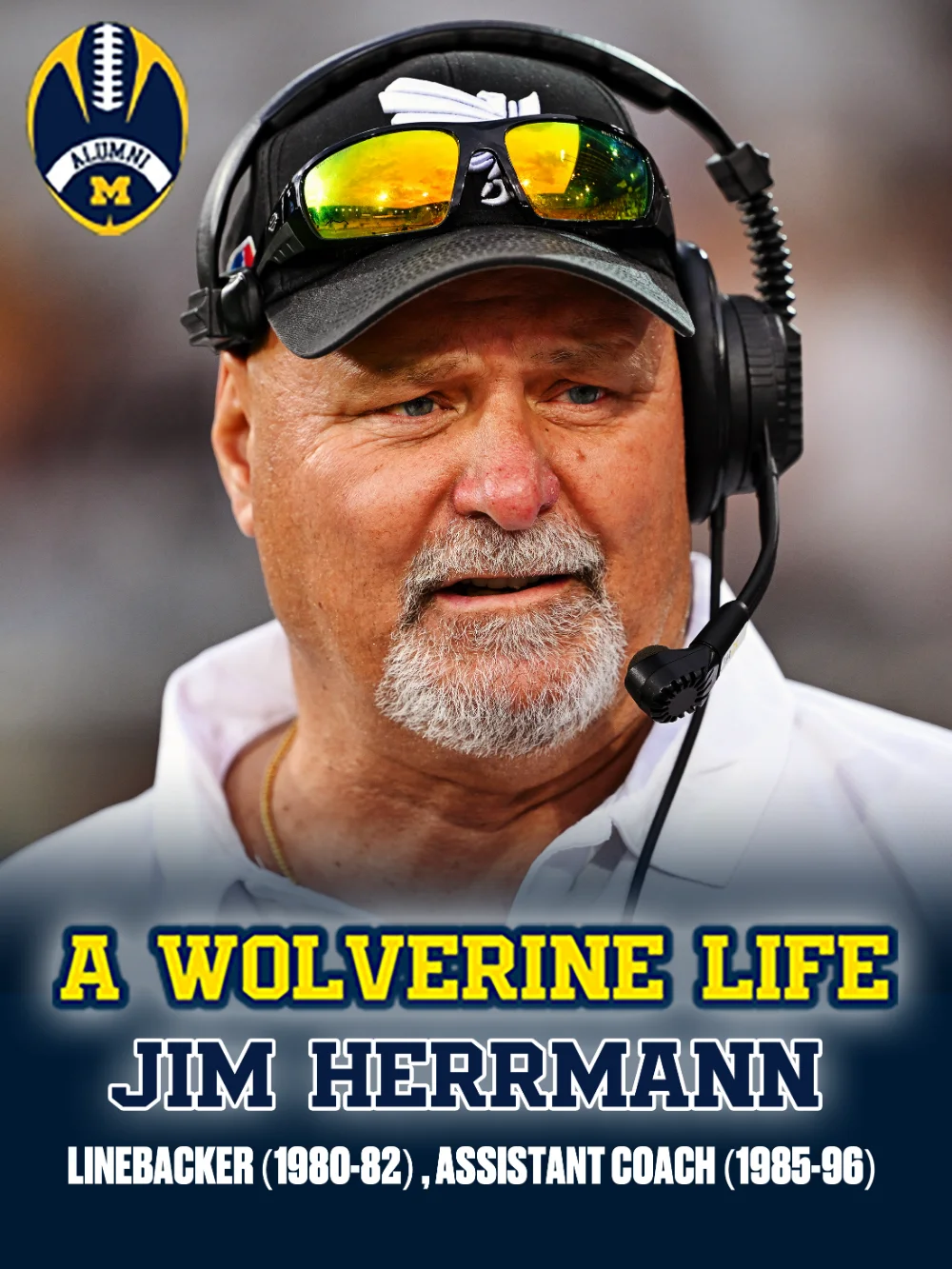
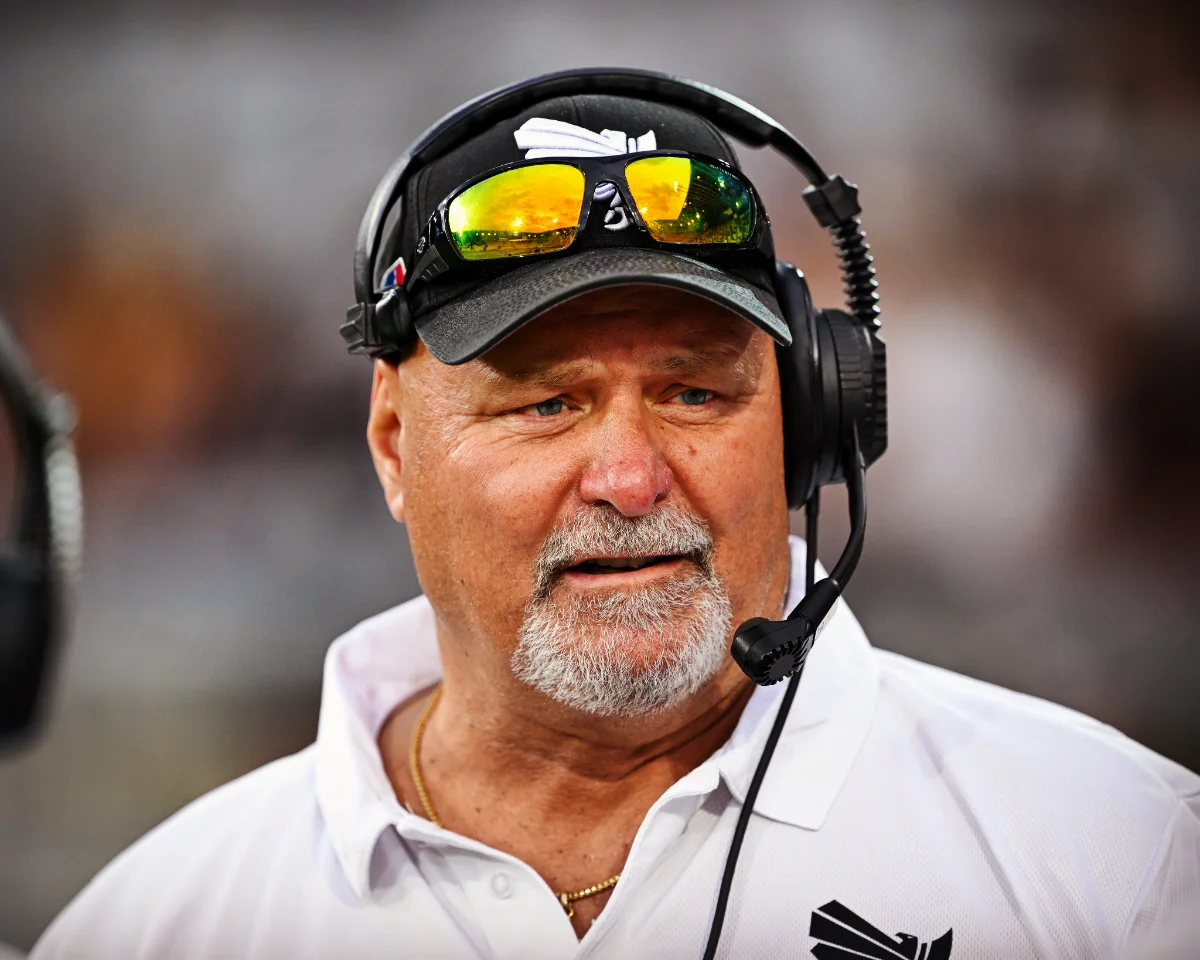
FAM recently had the privilege of catching up with former Michigan Wolverine player and defensive coordinator, Jim Herrmann. A player and coach under Bo Schembechler, as well as a coach under Gary Moeller and Lloyd Carr, Herrmann spent 26 years in Ann Arbor before moving on to the NFL coaching ranks. Claiming a college national championship, Super Bowl title, along with winning the 1997 Broyles Award winner, Herrmann’s football journey is a remarkable one.
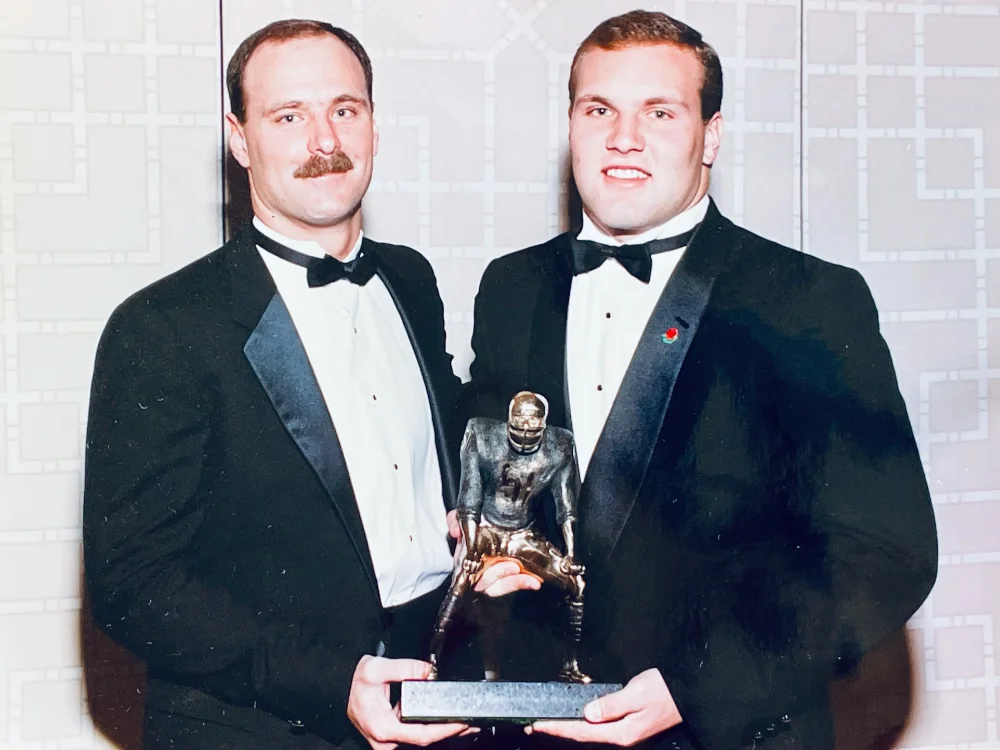
Early Years and Path to Michigan
Michigan football was not initially ingrained in Herrmann growing up in Cincinnati, Ohio admitting that he probably leaned more toward Ohio State or Notre Dame. That changed during his freshman year of high school, when his family moved to Dearborn, Michigan. Herrmann attended Divine Child High School and won a state title. The school’s program was largely built by Bill McCartney, who had just departed for Michigan prior to Herrmann’s arrival.
“I was being recruited by Coach McCartney and had a natural connection and trust with him,” Herrmann recalled of the former Michigan assistant and future Colorado head coach. While he leaned toward Michigan during his senior year, nothing was final until his official visit to Ann Arbor.
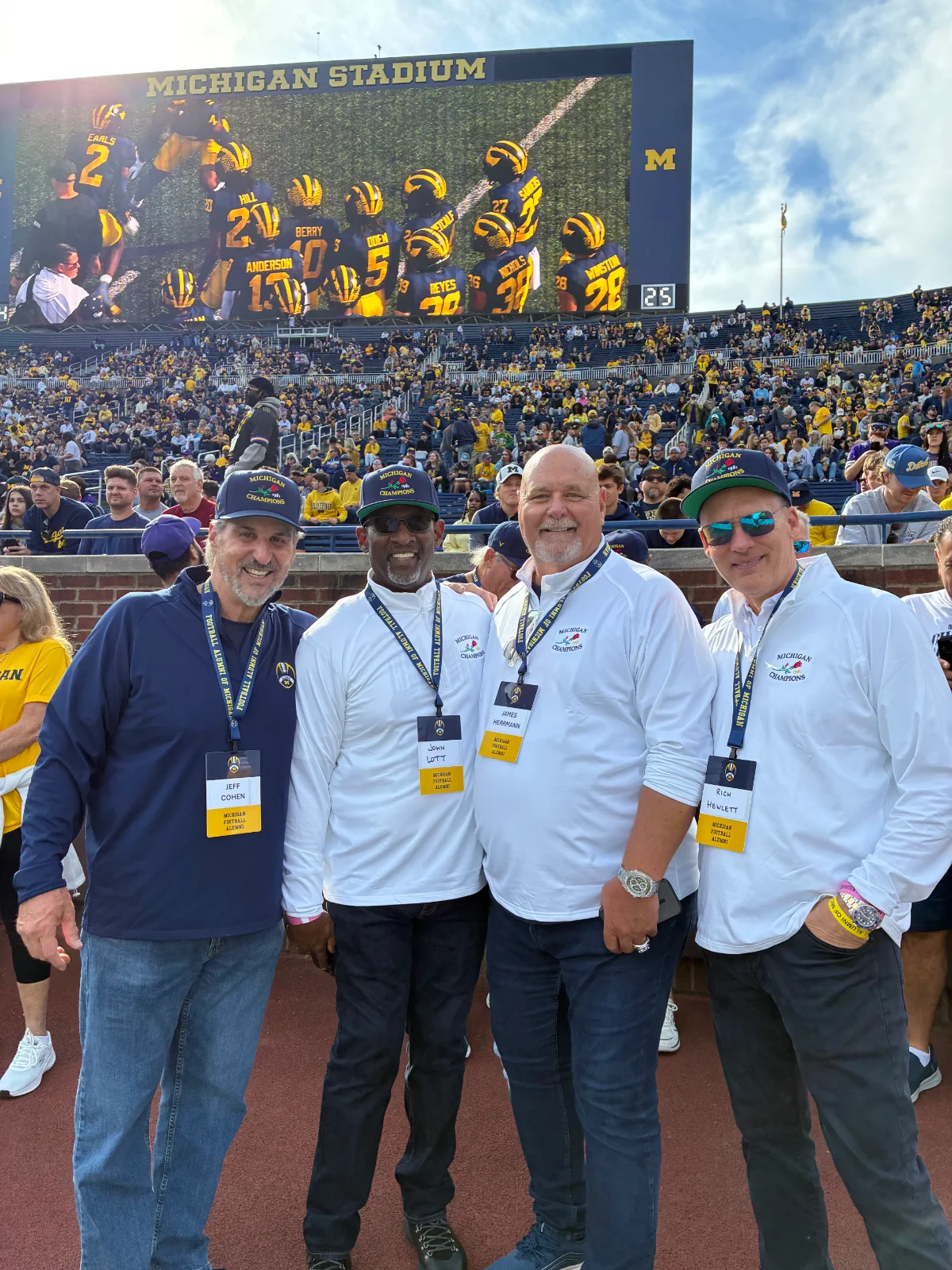
“I had a great recruiting weekend. I was with Jeff Cohen and Rich Hewlett—some of my closest friends to this day—but what I distinctly remember is Sunday morning breakfast with Bo and my family,” Herrmann said. “Bo simply asked, ‘Are you coming to Michigan or not?’ when breakfast ended.” By August 1979, Herrmann was on the practice fields for freshman camp.
Adjusting to College Football as a Student Athlete
The jump to the college level was immediate and eye-opening. “I remember the first lunch after the full varsity reported,” Herrmann laughed. “Guys like Andy Cannavino and Ron Simpkins were some of the best linebackers I had ever seen, and I thought I’d never see the field. It was a huge reality check.”
That experience would later benefit him as a coach. After physically adjusting during his freshman year, Herrmann earned a spot on the travel squad as a sophomore, starting one game during Michigan’s perfect 1980 Big Ten season and Rose Bowl victory over Washington.
Herrmann credits much of his physical and mental development to legendary Hall of Fame strength and conditioning coach Mike Gittleson, hired by Schembechler in 1978. “Mike understood the importance of offseason training long before others did,” Herrmann said. “I hated it at the time, but the physical maturity I gained was immeasurable and helped me tremendously as a coach.”
Balancing school, football, and summer work was part of the process. One summer, Herrmann worked the midnight shift unloading 50pound bacon bellies at the Hygrade Foot Products plant in Livonia, Michigan. “They’d back the refrigerated truck up to the dock, and I’d unload those 50-pound bacon bellies into large tubs all night,” he recalled.
The following summer, he painted seat and stair numbers at Michigan Stadium alongside teammates—more hard work, but closer to campus and a bit of earnings.
Transition to Coaching
Herrmann’s senior season in 1982 ended with another Big Ten title and Rose Bowl berth. Injuries limited his playing time, but by then he knew he wanted to coach. “I went into Bo’s office during my senior year and told him I wanted to coach,” Herrmann said. “Bo told me we’d talk after the season—but first, I had to finish the business degree he promised my father.” Herrmann did just that, also earning his teaching certificate while serving as a graduate assistant the following year.
The transition from player to coach brought new challenges. “Bo reminded me I was now a coach—not a player or a friend,” Herrmann said. “When Bill McCartney left for Colorado, I built even stronger bonds with Lloyd Carr and Gary Moeller.”
After his initial GA role, Herrmann left Ann Arbor to coach high school football, including a stint at Orchard Lake St. Mary’s. There, he coached Scott Kowalkowski, an AllAmerican linebacker who went on to play ten years in the NFL. “I remember thinking, ‘I want to coach players like Scott all the time,’” Herrmann said.
That thinking resulted in Herrmann’s return to Michigan, but in true Schembechler style, he would be starting at the bottom rung of the coaching ladder. “When I came back, I didn’t even have an office,” Herrmann laughed. “Coach Jerry Hanlon let me use a desk in his office for a few years in which I was extremely grateful.”
Despite interest from MAC schools, Herrmann remained patient and loyal. His persistence paid off when he became a fulltime assistant coach at age 29 following Schembechler’s retirement in 1989.
Defensive Coordinator and Championship Success
Following the 1996 season, head coach Lloyd Carr promoted Herrmann to defensive coordinator where he would build and lead Michigan defenses for nine seasons.
The transition was daunting, but advice from Woody Widenhofer—a close friend of Carr and prominent coach of his own, helped calm Herrmann’s nerves.
“He told me, ‘Just pick one play and go with it; the game will guide the rest,’” Herrmann recalled. “I remember right before the first series of the Outback Bowl, he put his hand on my shoulder and said that. He was right and I maintained that advice.”
Herrmann’s 1997 national championship defense blended veteran leadership with emerging talent. During his recruiting trips to Pittsburgh, he also spent time studying Steelers film with future NFL head coach Marvin Lewis, who was a position coach with the Steelers at the time. “They ran an aggressive defense, and we had the personnel to do the same,” Herrmann said. “We installed a lot of those concepts in the spring.”
Against Colorado’s explosive offense in the season opener of the 1997 championship year, Herrmann deployed a special speed package featuring younger defensive backs. “We practiced it every day in fall camp,” he said. “Freshmen and sophomores knew they’d play week one. It created immediate focus and complete buyin; something you typically might not see until the middle of a season.”
Evolution and the NFL
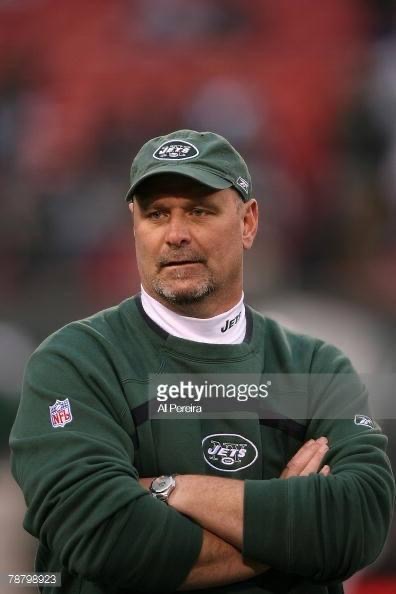
Herrmann continued evolving his defenses, even traveling to Tampa Bay to study the Tampa2 under Monte Kiffin in the early 2000s as he continued to fine-tune and evolve his Michigan defenses. After the 2005 season, he transitioned to the NFL as linebackers coach for the New York Jets under first year coach Eric Mangini.
“The game is still about the players,” Herrmann said, noting the biggest adjustment was roster management. “With only 53 guys, one injury can really limit what you do in certain cases.” Herrmann credits a discussion with Eric Barton his first year with the Jets that helped with his future success.
“Eric was one of the smartest players I coached, and in the NFL, the ability to get a player to the ‘next contract’ is critical. Maximizing a player’s ability to achieve that next contract was great advice early on in my NFL coaching career.”
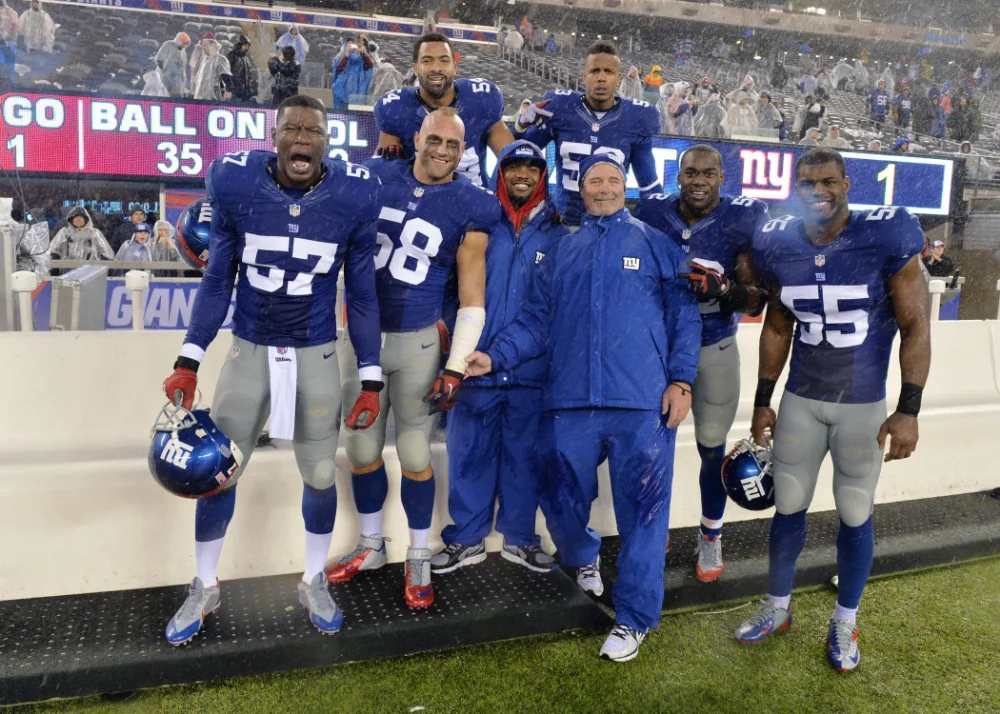
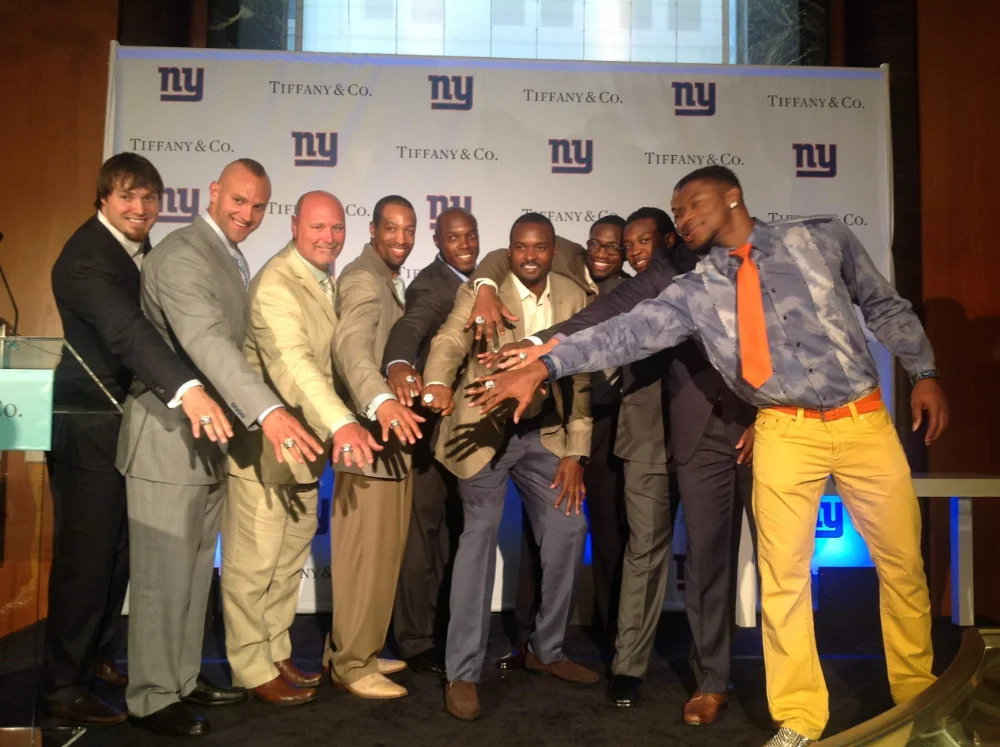
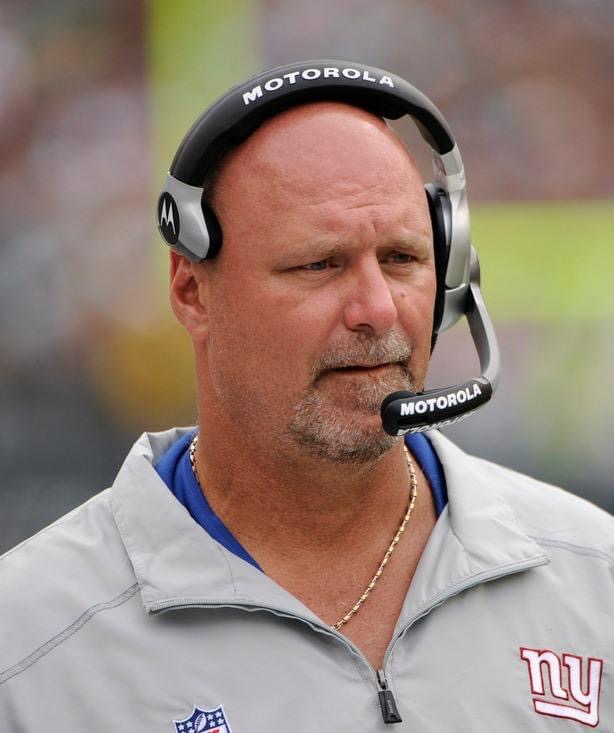
In 2009, Herrmann joined the New York Giants under Tom Coughlin, a tenure highlighted by a Super Bowl victory in 2011 and where Herrmann would coach for the next seven seasons. “I remember one lateseason loss that Super Bowl year when the normally reserved, Eli Manning stood up and took responsibility in front of the whole team,” Herrmann recalled. “That moment galvanized the team.” From that moment forward, the Giants would clinch a playoff spot on the final day of the season and make perhaps the greatest postseason run ever. “I recall after we beat Atlanta in the first round coming off the field with defensive coordinator Perry Fewell telling him we were winning the Super Bowl,” recalled Herrmann.
Two weeks later, the Giants were preparing for the big game. Herrmann vividly remembers a flawless first Super Bowl practice.
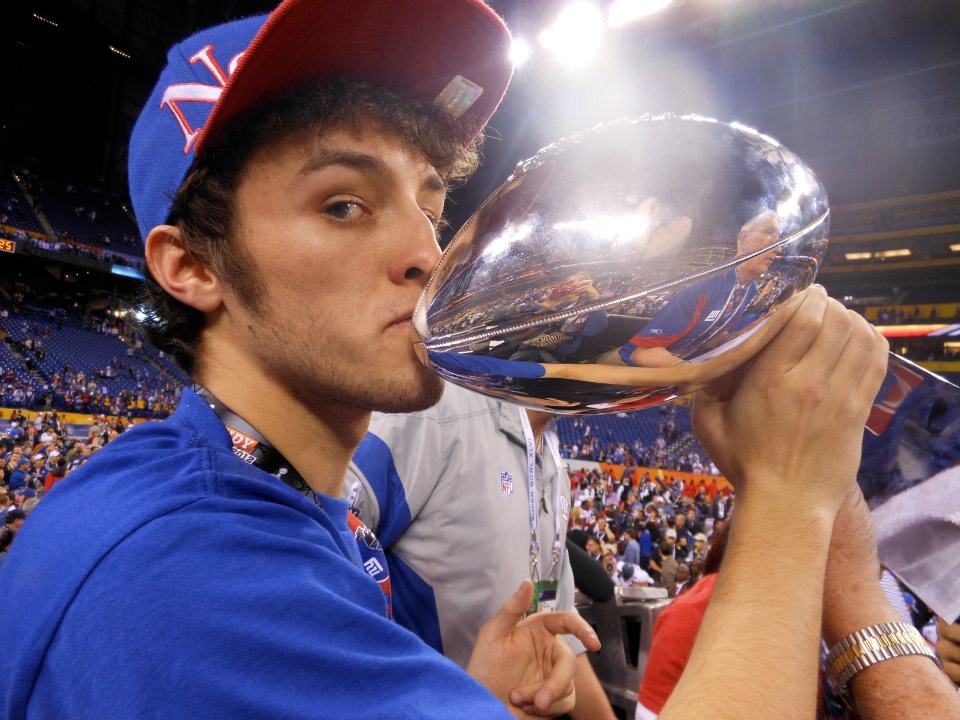
“Not one missed assignment; every check, shift and call was correct on both sides which you never see in the first practice” he said. “I knew then we were ready.” The Giants defeated the Patriots 21-17 in Super Bowl XLVI and Herrmann had earned a Super Bowl ring. “The highlight was sharing that moment with my family on the field,” Herrmann said. “My son held the Lombardi Trophy before I even did and celebrating with them will always be a special moment for me.”
Football Beyond Borders
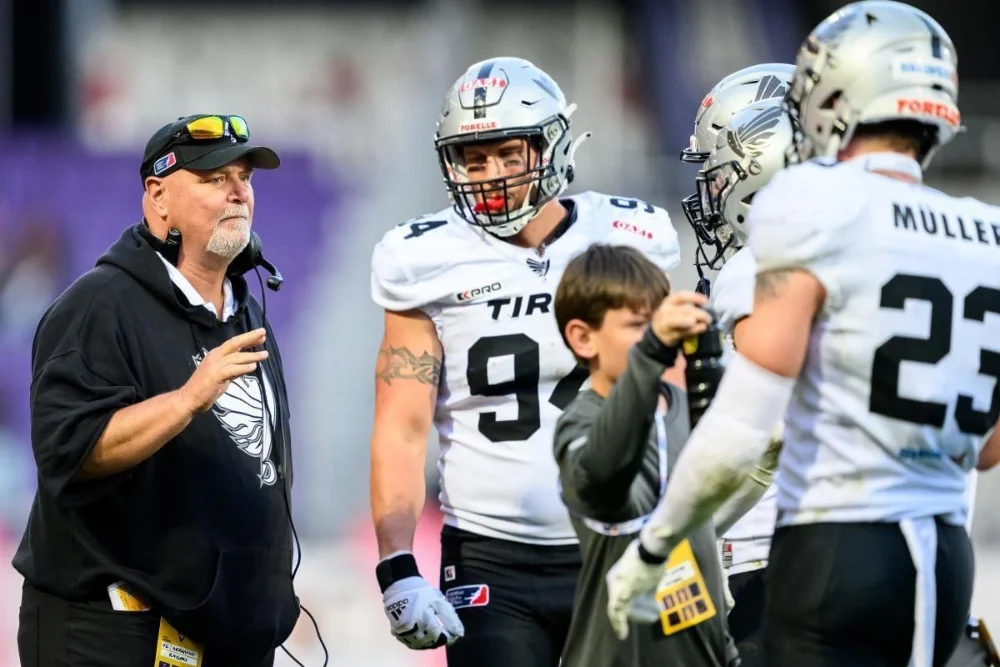
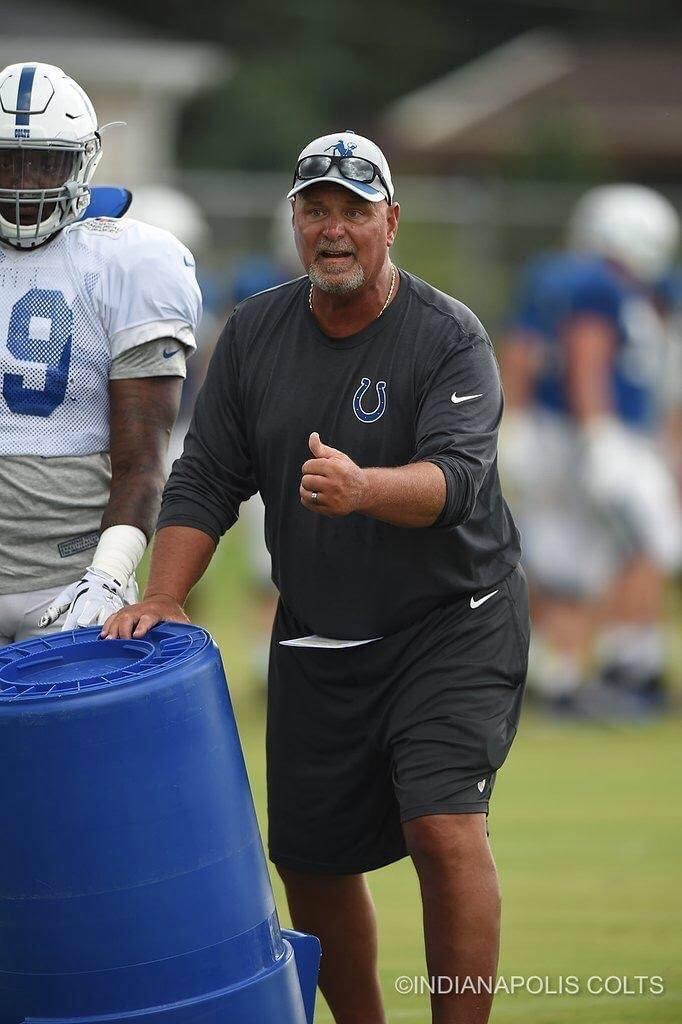
After later stops with the Indianapolis Colts and in various college and professional European leagues, Herrmann was most recently the head coach of the Raiders Tirol in Austria further expanding his coaching love and talents.
“The growth of football overseas is exciting,” he said. “The development and formation of teams is different as they require building with local talent combined with some American and outside talent which is different than American teams; but there is great growth in Europe.”
Despite over 40 years in the coaching ranks, Herrmann’s love for the game has not slowed, although he found more time to travel with his wife, especially in Europe.
While his coaching career is still ongoing, there are few coaches that have successful coaching football resumes across college, the NFL and internationally. But Jim Herrmann does!
Rapid Fire with Jim Herrmann
- Dorm Roommates: (South Quad/Taylor House) Scott Roberts and Jerry Burgei, who remains one of my closest friends today.
- Favorite Place to Eat: The Chop House
- Toughest Place to Play: Iowa
- Favorite Bo Quote: “You’ve got to tackle. Did you teach them how to tackle? And keep the safety in the middle of the field.” –Bo, every Thursday to Herrmann before the Thursday defensive staff coaches meeting.
- Most Challenging Opposing Players:
Tavian Banks (Iowa, 1997) “I was worried the whole week”
Drew Brees and Vinny Sutherland (Purdue) “Inside slot fade was trouble” - Favorite Travel Destination: Amalfi Coast, Italy (Sorrento to Positano)
— Brian Resutek

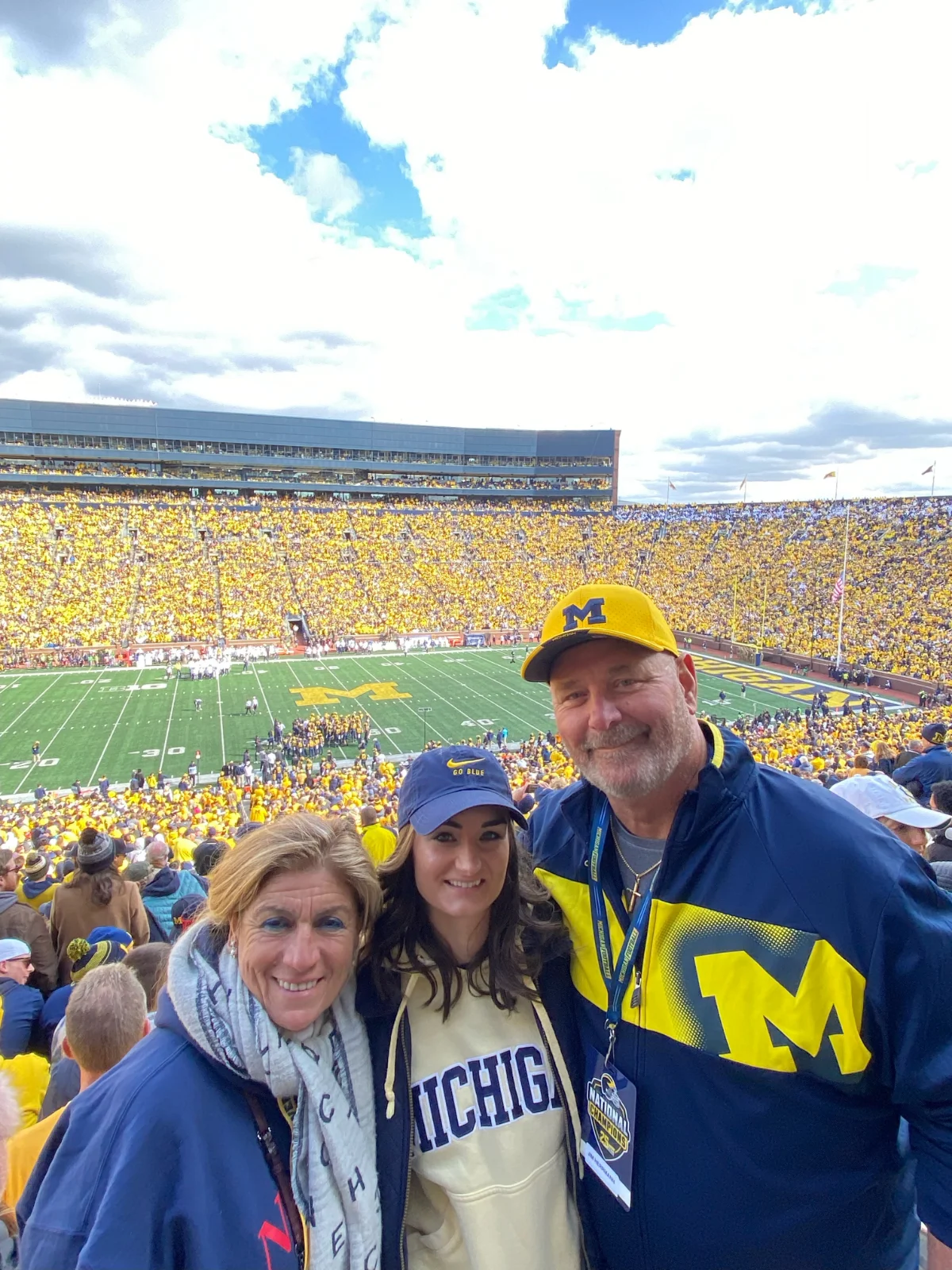
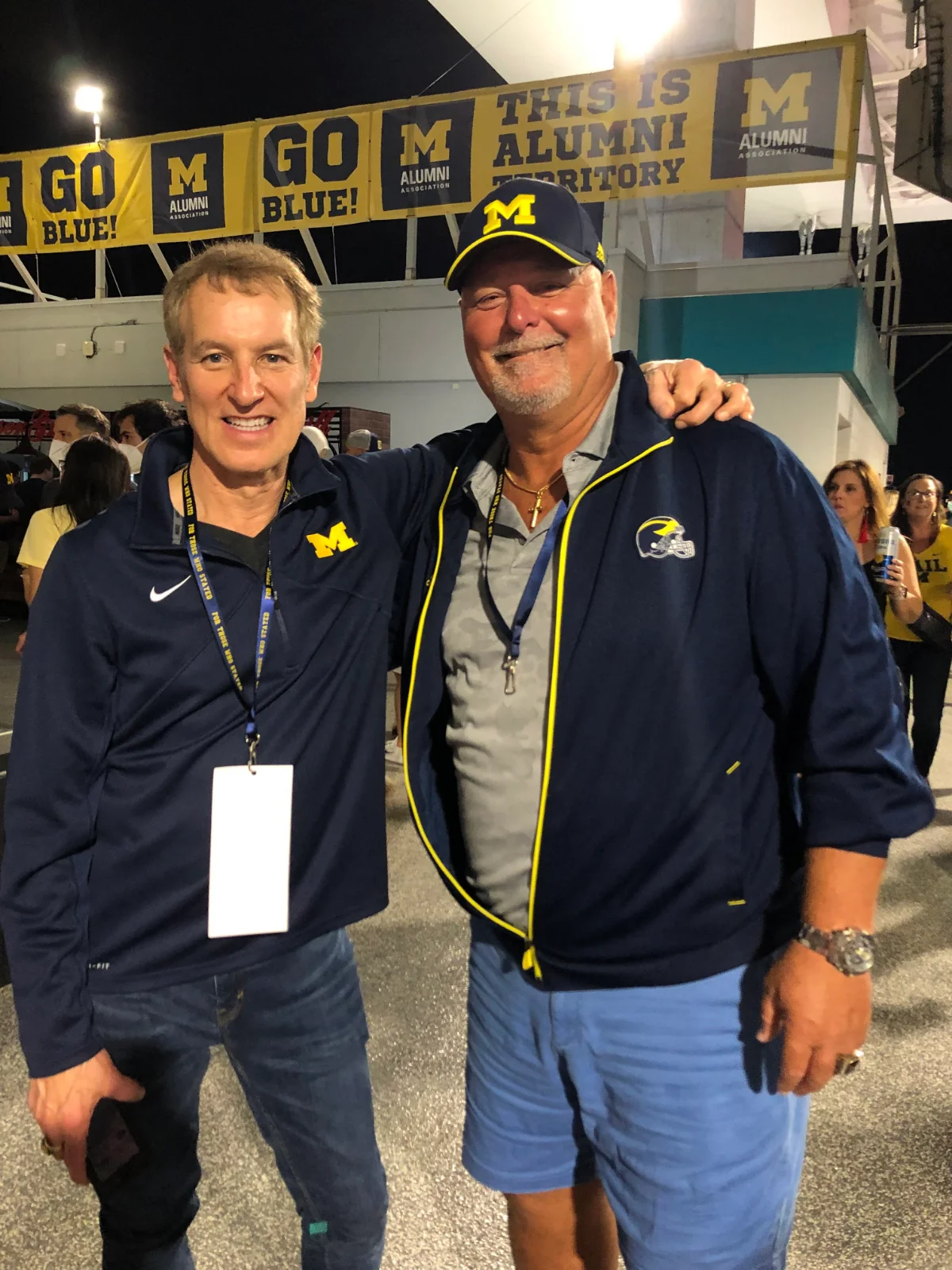
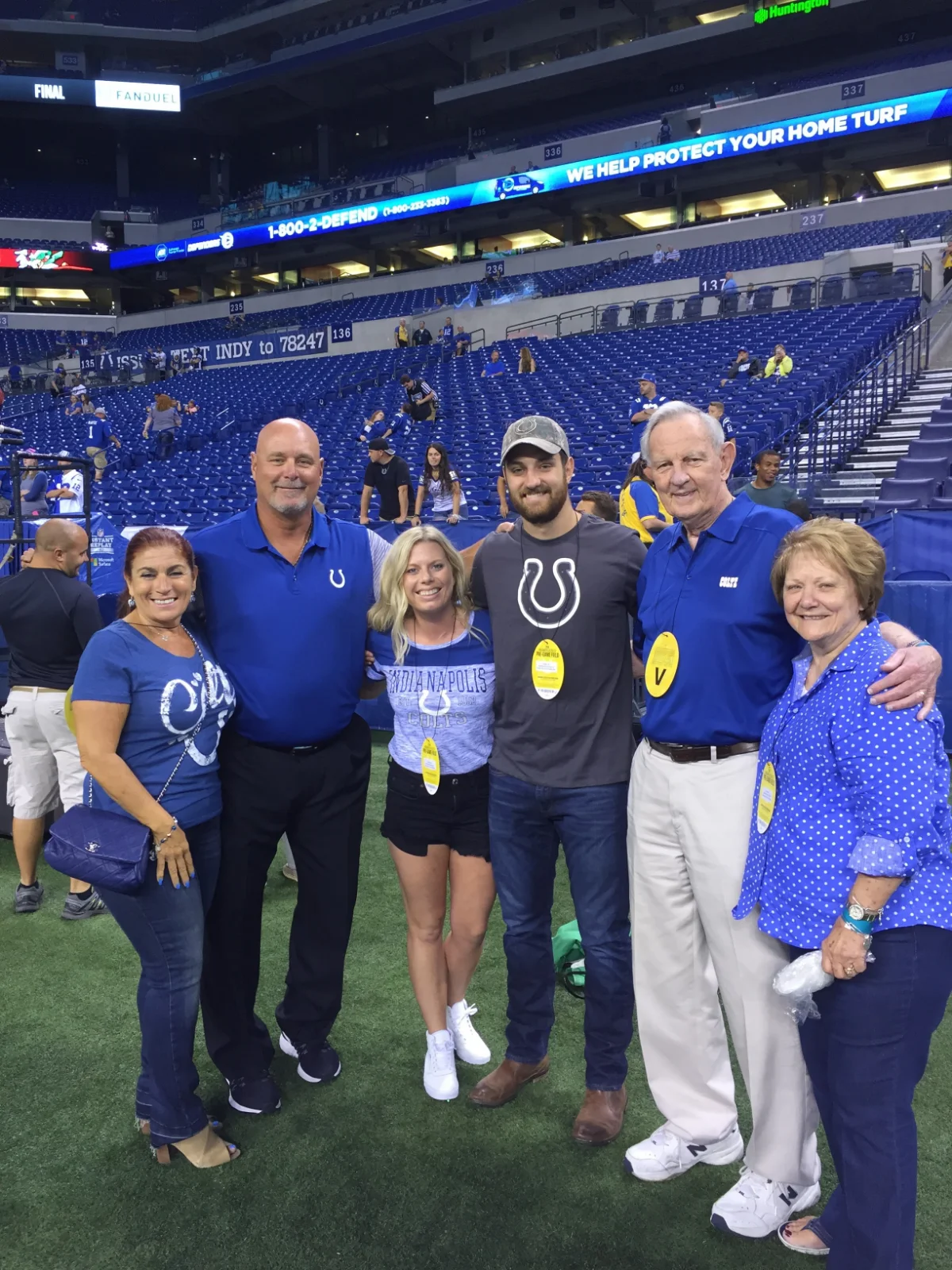
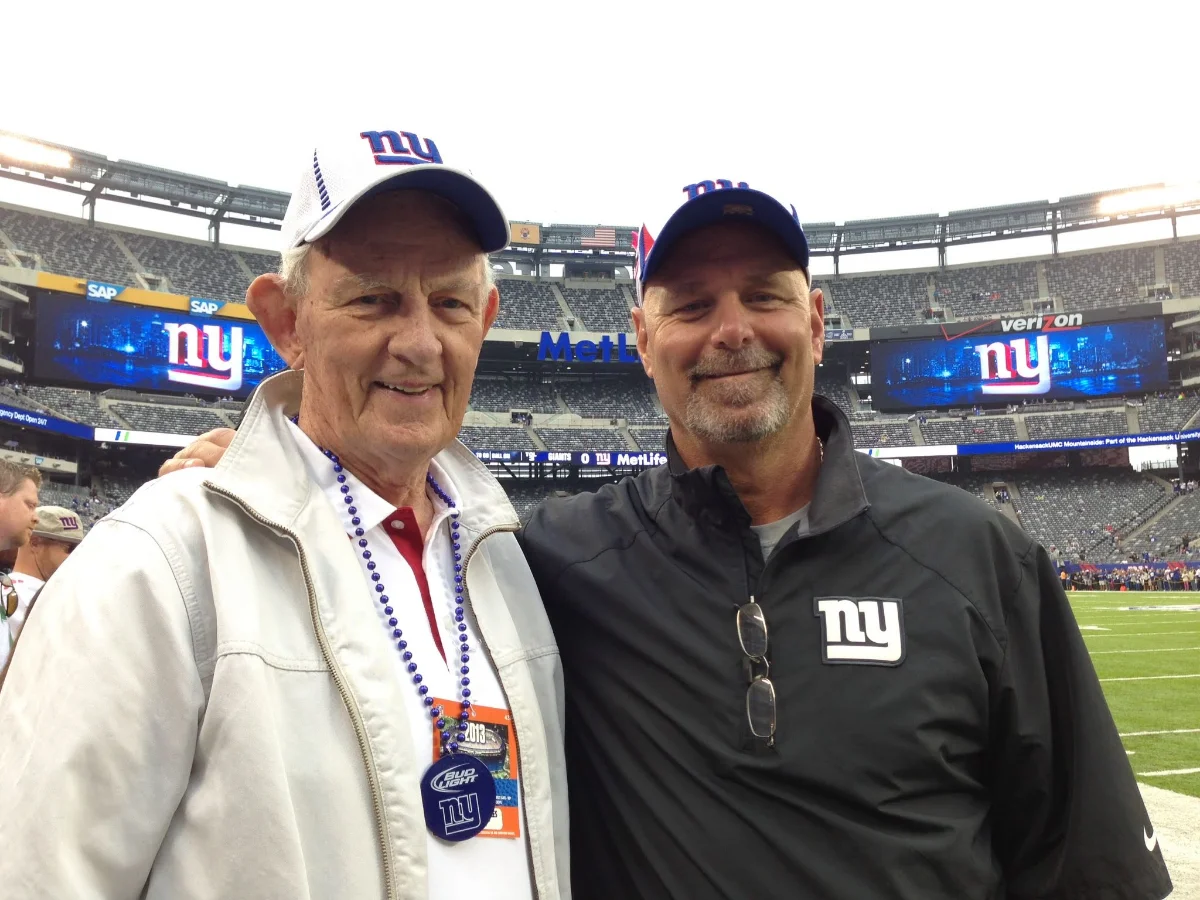
Congratulations Jim on a great career. If you are in the Michigan area look me up it would be great to catch up. Take care.
Great article, Jim! It brings back a lot of good memories .